Author: admin

  • Decoding the Price: Are Black Diamonds Expensive? Price, Value & Buying Guide (2025)

    Black diamonds have captivated the jewelry world with their bold, modern, and mysterious allure. But as you begin your search for the perfect piece, a crucial question emerges: are black diamonds expensive? The answer is more nuanced than a simple yes or no. While they are often more affordable than their traditional colorless counterparts, their black diamond price can vary dramatically depending on several key factors.

    To help you make an informed decision, let’s break down the elements that truly determine a black diamond’s value.

    Natural vs. Treated: The Most Important Price Factor

    This is the most important distinction to understand when looking at black diamond price. The vast majority of black diamonds on the market today are treated.

    • Treated Black Diamonds: These stones are typically lower-quality, heavily included colorless or gray diamonds that have been subjected to heat or irradiation to turn them a uniform, opaque black. Because they start as less valuable stones and undergo a standard treatment process, their price is significantly lower. Treated black diamonds can often be found for a few hundred dollars per carat.
    • Natural Black Diamonds (Carbonados): These are extremely rare and owe their color to the presence of numerous dark inclusions, such as graphite, during their formation. Natural black diamonds are a different beast entirely. They are rarer than most colorless diamonds, and their value reflects this scarcity. A natural black diamond per carat can range from approximately $3,000 to $5,000 or more, depending on its quality and size.

    Beyond the Color: The “4 Cs” of Black Diamonds

    While the traditional 4 Cs (Cut, Color, Clarity, and Carat) are the gold standard for grading colorless diamonds, they are applied a bit differently to black diamonds. Understanding these distinctions is crucial for anyone learning how to buy black diamonds.

    1.    Color: for black diamonds, the color grade is simply “Fancy Black.” Unlike other colored diamonds that are graded for hue, tone, and saturation, a black diamond’s value lies in the evenness and intensity of its black color. A uniform, opaque, and lustrous stone is highly desirable.

    2.    Clarity: This is where black diamonds are fundamentally different. A colorless diamond is valued for its lack of inclusions. A black diamond’s color, however, is a direct result of a massive concentration of inclusions. Therefore, traditional clarity grades (like VVS or VS) do not apply. Instead, jewelers look for a lack of surface imperfections and a polished, metallic luster.

    3.    Cut: A black diamond’s cut is still essential. A well-executed cut will enhance the stone’s surface polish and bring out its unique luster. The opaque nature of black diamonds means they don’t have the same “fire” or “brilliance” as colorless diamonds, but a good cut ensures the light reflects beautifully off the facets, giving it a striking, almost metallic shine.

    4.    Carat Weight: Like all diamonds, the black diamond price per carat increases with size. Larger, high-quality black diamonds are rarer and, therefore, more valuable.

    The Importance of Certification

    When buying a natural untreated black diamond, asking for a GIA certification black diamond is absolutely non-negotiable. The Gemological Institute of America (GIA) is the world’s most trusted authority on diamond grading. While they won’t grade black diamonds with the same clarity scale as colorless diamonds, a GIA report will verify that your black diamond is a natural diamond and has not been treated. This is the ultimate proof of a stone’s authenticity and a crucial part of its value.


    Conclusion: Making Your Informed Choice

    So, are black diamonds expensive? The answer truly depends on your preference. If you’re drawn to the unique beauty and statement-making power of a black diamond, you have a range of options. A treated black diamond offers a stunning and affordable way to wear this non-traditional stone. However, if you’re a connoisseur seeking a truly rare and naturally formed gemstone, a GIA-certified natural black diamond represents a unique and valuable investment.

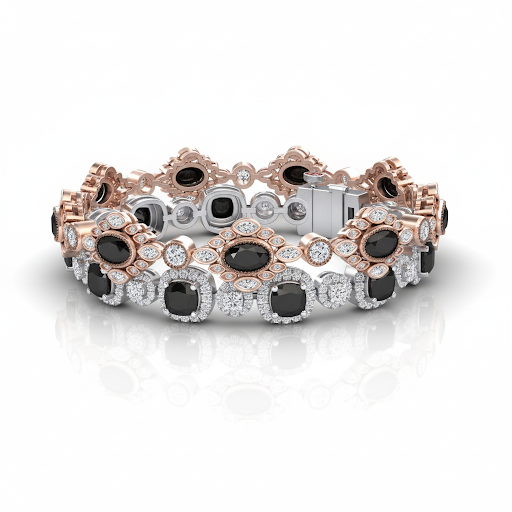
    By understanding what drives the black diamond price, you can confidently explore your options and find the perfect a pair of black diamond studs or an engagement ring or a black diamond bracelet that not only fits your style but also your budget, ensuring you make a decision you’ll love for a lifetime.
  • Are Black Diamonds Real? An In-Depth Look at Their Origin, Value, and Authenticity

    Are Black Diamonds Real? An In-Depth Look at Their Origin, Value, and Authenticity Striking, opaque, and effortlessly stylish—black diamonds have captured the attention of jewelry lovers worldwide. But as their popularity has grown, so has a common question: are black diamonds truly real? Yes, black diamonds truly real; to clear this mystery let’s find out what makes these gems unique. To understand their authenticity, it’s important to know how they are formed; understand the distinctions between natural, treated and lab-grown varieties and what sets each type apart. The Origins: How Do Natural Black Diamonds Form? Unlike classic clear diamonds, which are formed from a single crystal of carbon, natural black diamonds (also called carbonado) are polycrystalline that is black diamonds are composed of millions of tiny, interconnected carbon crystals, which gives them a dense, opaque structure. This unique formation is the source of their deep, rich black color. Scientists still debate exactly how these rare stones were created. Two leading theories dominate the discussion: Earth-Based Formation: Some researchers believe black diamonds originated deep within the Earth’s mantle under extreme pressure and heat, with inclusions of minerals such as graphite, pyrite, or hematite giving them their distinctive dark look. Cosmic Origins: A more intriguing idea suggests black diamonds came from outer space. According to this theory, they were formed during ancient supernova explosions and delivered to Earth through asteroid impacts billions of years ago. Evidence for this includes the unusual chemical makeup of black diamonds and the fact they are only found in Brazil and the Central African Republic. Natural, Treated, and Lab-Grown: Understanding the Difference Much of the confusion surrounding black diamonds stems from the different types available on the market: Natural Black Diamonds: Extremely rare and highly sought after, these gems occur naturally with their dark color formed organically during creation. They are untouched by treatments, making them the most valuable. Treated Black Diamonds: Many black diamonds in jewelry stores today fall into this category. They begin as lower-quality diamonds with heavy inclusions or grayish tones, then undergo treatments such as heat or irradiation to give them a uniform black color. Though treated, they are still authentic diamonds and offer a more affordable option than natural ones. Lab-Grown Black Diamonds: Created in laboratories under conditions that replicate the Earth’s mantle, these diamonds share the same chemical structure as natural stones. They are an ethical, sustainable, and budget-friendly choice, making them a popular alternative. Understanding Black Diamond Properties and Authenticity The unique composition of black diamonds gives them distinct black diamond properties. While they are a 10 on the Mohs hardness scale, their polycrystalline structure makes them more prone to chipping than a single-crystal diamond. This is why jewelers often recommend setting them in protective designs. To ensure authenticity, always ask for a gemological certificate from a reputable lab like the Gemological Institute of America (GIA) or the International Gemological Institute (IGI). This report will confirm whether the stone is a diamond, specify if its color is natural or treated, and provide details about its weight and dimensions. Conclusion: So, Are Black Diamonds Real? The answer is a definitive yes. Are black diamonds real? Absolutely. Whether you choose a rare, natural stone or a stunning, more accessible treated or lab-grown one, you’re acquiring a truly unique and beautiful piece of jewelry. The most important thing is to understand the type of diamond you are buying and to get a certification to ensure its authenticity.

    Striking, opaque, and effortlessly stylish—black diamonds have captured the attention of jewelry lovers worldwide. But as their popularity has grown, so has a common question: are black diamonds truly real?

    Yes, black diamonds truly real; to clear this mystery let’s find out what makes these gems unique. To understand their authenticity, it’s important to know how they are formed; understand the distinctions between natural, treated and lab-grown varieties and what sets each type apart.

    The Origins: How Do Natural Black Diamonds Form?

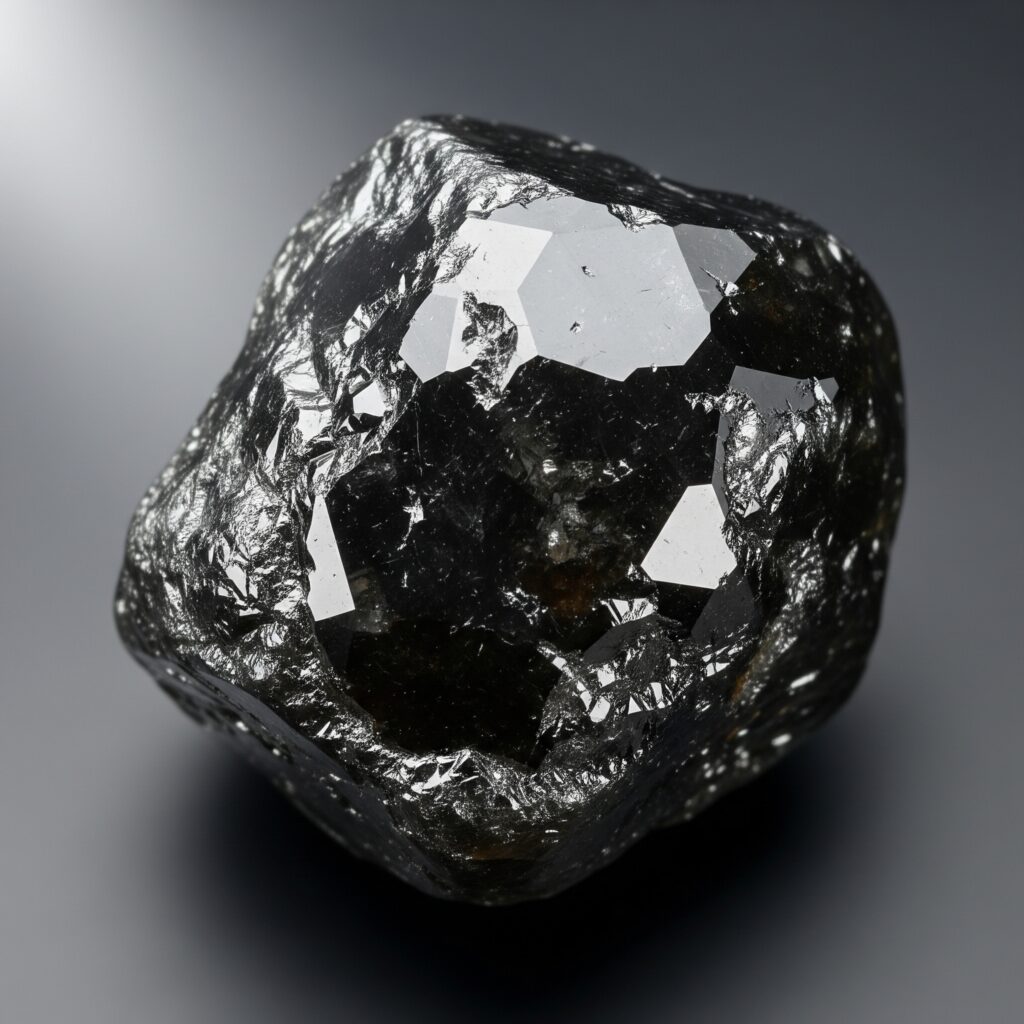
    Unlike classic clear diamonds, which are formed from a single crystal of carbon, natural black diamonds (also called carbonado) are polycrystalline that is black diamonds are composed of millions of tiny, interconnected carbon crystals, which gives them a dense, opaque structure. This unique formation is the source of their deep, rich black color.

    Scientists still debate exactly how these rare stones were created. Two leading theories dominate the discussion:

    • Earth-Based Formation: Some researchers believe black diamonds originated deep within the Earth’s mantle under extreme pressure and heat, with inclusions of minerals such as graphite, pyrite, or hematite giving them their distinctive dark look.
    • Cosmic Origins: A more intriguing idea suggests black diamonds came from outer space. According to this theory, they were formed during ancient supernova explosions and delivered to Earth through asteroid impacts billions of years ago. Evidence for this includes the unusual chemical makeup of black diamonds and the fact they are only found in Brazil and the Central African Republic.

    Natural, Treated, and Lab-Grown: Understanding the Difference

    Much of the confusion surrounding black diamonds stems from the different types available on the market:

    • Natural Black Diamonds: Extremely rare and highly sought after, these gems occur naturally with their dark color formed organically during creation. They are untouched by treatments, making them the most valuable.
    • Treated Black Diamonds: Many black diamonds in jewelry stores today fall into this category. They begin as lower-quality diamonds with heavy inclusions or grayish tones, then undergo treatments such as heat or irradiation to give them a uniform black color. Though treated, they are still authentic diamonds and offer a more affordable option than natural ones.
    • Lab-Grown Black Diamonds: Created in laboratories under conditions that replicate the Earth’s mantle, these diamonds share the same chemical structure as natural stones. They are an ethical, sustainable, and budget-friendly choice, making them a popular alternative.

    Understanding Black Diamond Properties and Authenticity

    The unique composition of black diamonds gives them distinct black diamond properties. While they are a 10 on the Mohs hardness scale, their polycrystalline structure makes them more prone to chipping than a single-crystal diamond. This is why jewelers often recommend setting them in protective designs.

    To ensure authenticity, always ask for a gemological certificate from a reputable lab like the Gemological Institute of America (GIA) or the International Gemological Institute (IGI). This report will confirm whether the stone is a diamond, specify if its color is natural or treated, and provide details about its weight and dimensions.

    Conclusion: So, Are Black Diamonds Real?

    The answer is a definitive yes. Are black diamonds real? Absolutely. Whether you choose a rare, natural stone or a stunning, more accessible treated or lab-grown one, you’re acquiring a truly unique and beautiful piece of jewelry. The most important thing is to understand the type of diamond you are buying and to get a certification to ensure its authenticity.